The Dickinson Story
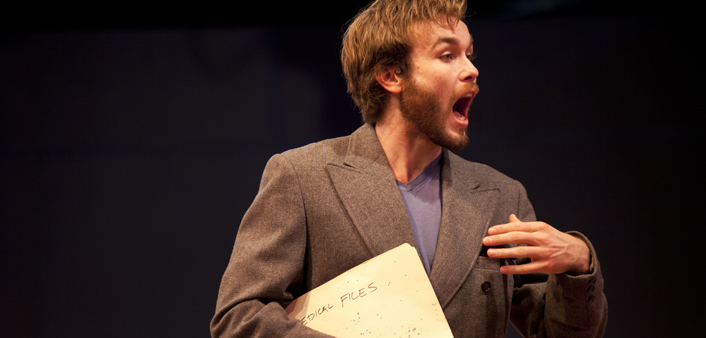
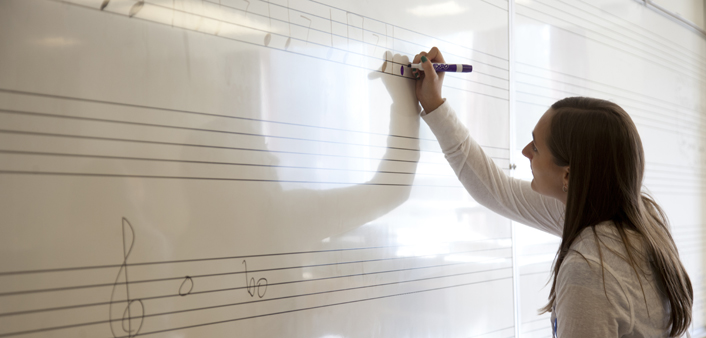
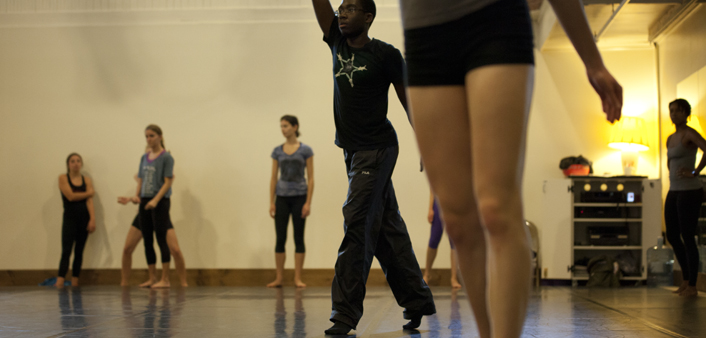
Music, art, dance and theatre bring a perspective to the world that can’t be matched or defined by mere words. Some things need to be seen and heard to be fully experienced.
It’s not a new concept. From the time it received its charter in September 1783, Dickinson College has been committed to providing students with an arts and sciences education that is useful, engaging and progressive. The charter, as envisioned by college founder Dr. Benjamin Rush, calls for students to be “placed in a condition to attend useful arts, sciences and literature” and for “all ranks of people to promote and encourage, as much as in them lies, every attempt to disseminate and promote the growth of useful knowledge.”
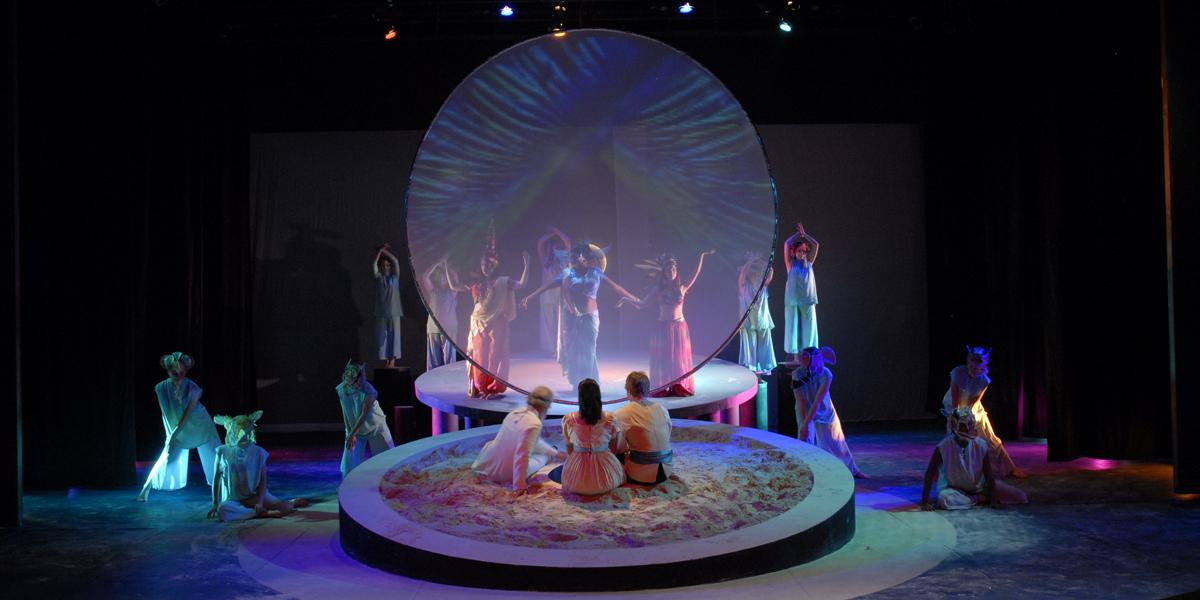
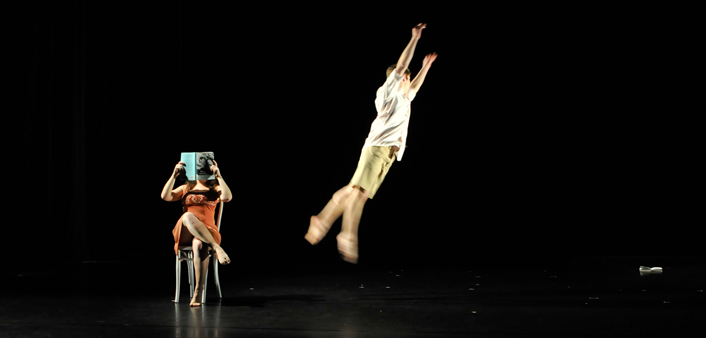
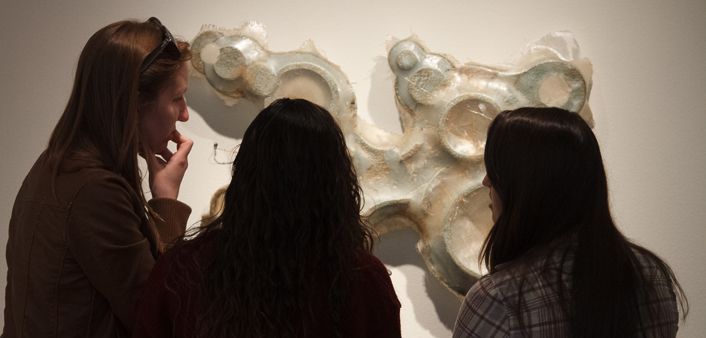
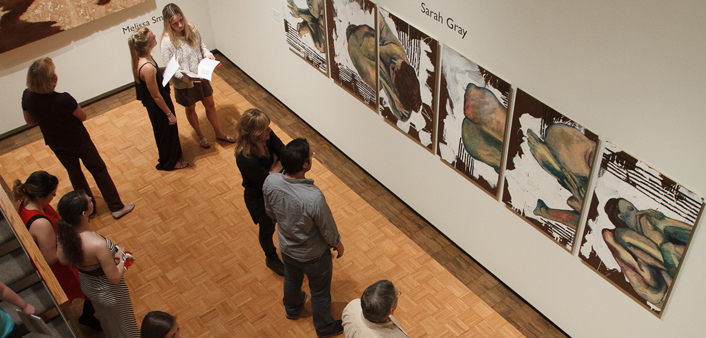
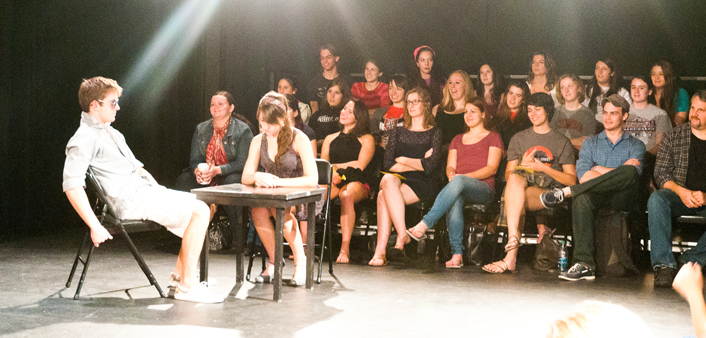
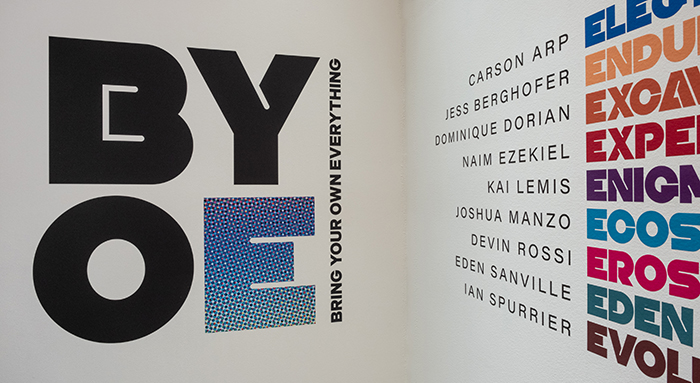
Two centuries later, Dickinson College enthusiastically adheres to Rush’s vision. In addition to a wide range of works by faculty and other professionals, students are engaged in a variety of arts activities. For example, The Trout Gallery annually exhibits the culmination of studio art majors’ careers at Dickinson and hosts a show curated by senior art history majors; Mathers Theatre is
home to two student performing troupes; and curricular Department of Music ensembles perform regularly.
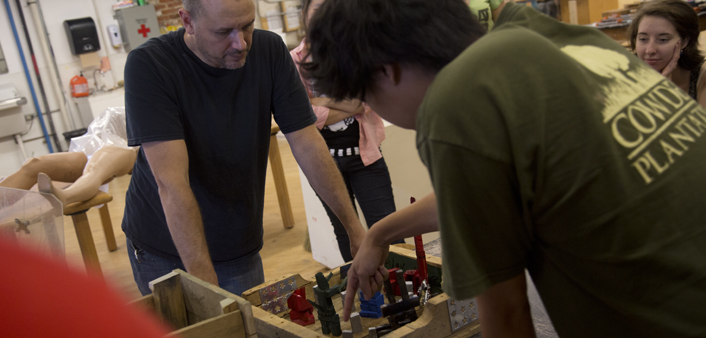
Dickinson alumni also are vital members of arts communities beyond the college’s limestone walls, and many regularly return to campus to share their expertise. This engagement with the arts is global, thanks to presentations abroad by Dickinson faculty and students, and to appearances at Dickinson by visiting scholars and faculty who perform or pursue research worldwide.
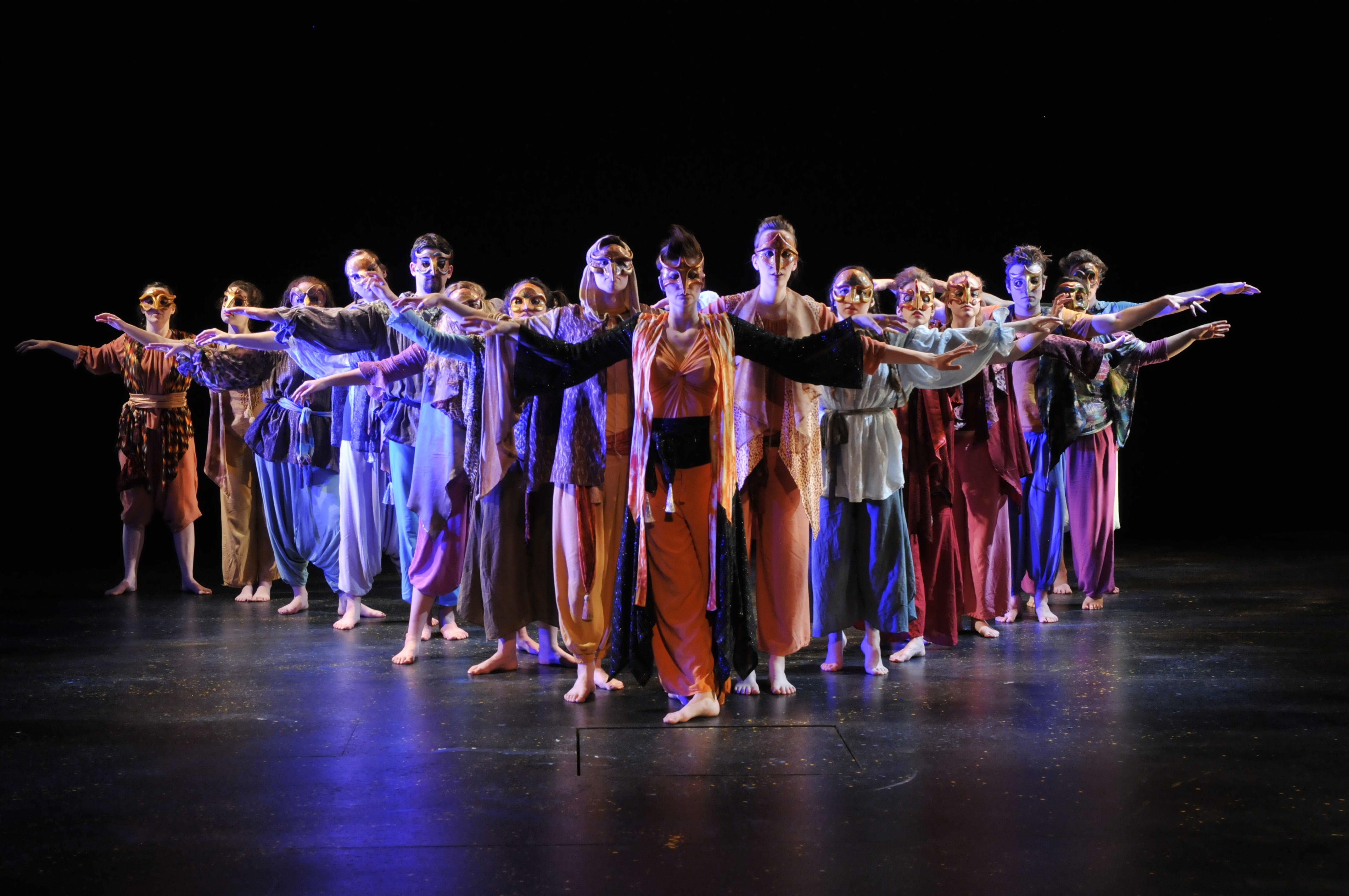
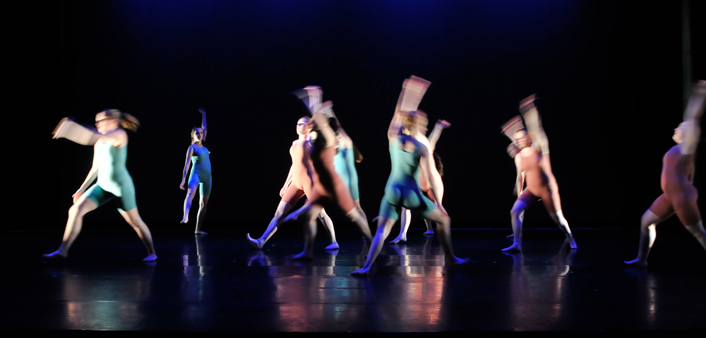
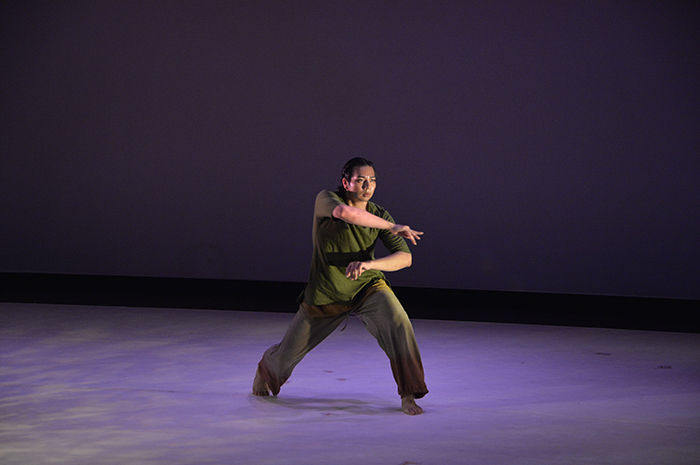
This spring, Dickinson showcases performances by Musical Artists-in-Residence Florestan Recital Project, the West Point Military Academy Band and Russian-born guest pianist Rita Sloan; art exhibits (including the paintings of America en plein air: Impressions by Henry Ryan MacGinnis and the carvings and bronze figures of The Dogon: Spiritual Forces in Action); theatrical performances of Oedipus at Colonus and The Tempest; and a wide range of lectures, readings, faculty recitals, exhibits, dance and other artful endeavors. All represent Dickinson’s commitment to the arts, to the community, and to Benjamin Rush’s visionary definition of useful knowledge.
Note: All events listed in the Calendar of Arts are subject to change. Please contact the appropriate department prior to an event to confirm that it will take place as listed. Department names and numbers are listed at the back of this brochure, under the heading “For Your Information.”